- 2
- 3
- 4
- 4

Kandy
Overview
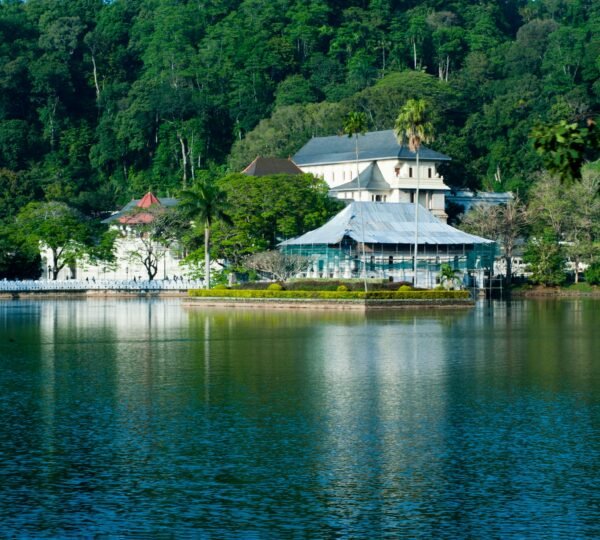
- Kandy has an indefinable, yet almost tangible atmosphere that is uniquely appealing to visitors. The lovely downtown is pleasantly balanced by the serenity of the lake and the flourishing natural environment, further enhanced by the sense of peaceful spirituality imparted by the city temples. Numerous and varied attractions and facilities offer the tourist a range of experiences.
- The city known today was named “Senkadagala Sirivaddhana” when it was founded as the capital of the Sinhalese kingdom in the 14th century. With the increasing encroachment of control from the country’s periphery by the Portuguese at the end of the 16th century, followed later by the Dutch and finally the British, Kandy became the center of Sinhalese resistance and was able to maintain control of much of the inland region of the island. For over three centuries, attempts by colonial powers to capture the kingdom were successfully resisted.
- Kandy functions as an important metropolitan center. As the gateway to the hill country, it is the hub of commerce, services, communication, and transportation for the region. It acts as a main market for the trade and exchange of the region’s agricultural products, primarily tea, rubber, spices, fruits, vegetables, and rice.
- Kandy has long been a holiday destination for foreigners and the country’s elite. The Temple of Tooth, which houses the sacred relic of the Buddha’s tooth, imparts a religious significance upon the city that has attracted pilgrims and travelers for centuries. By the end of the 19th century, Kandy had become well known among British civil servants, merchants, and plantation owners as a prime destination for recreation and relaxation.
- “Esala Perahera” is the largest pageant in the Buddhist world and attracts religious pilgrims and tourists from around the globe. The lively and colorful procession starts and ends at the Temple of Tooth and consists of nearly one hundred elephants who carry the casket containing a replica of the tooth relic on their backs. And also, energetic performances with more than 1500 people, including dancers, drummers, flags and torch bearers, whip-crackers, and Kandyan chiefs, can be seen in this festival.
- The incredible scenery of the hill country, combined with its temperate climate averaging twenty-five degrees Celsius, has made Kandy a favorite retreat for the affluent throughout the country, especially those wishing to escape the stifling heat and humidity of Colombo.
- Another central attraction of the city and its dominant feature is the Kandy Lake. The last monarch, Sri Wicrama Rajasingha, created the lake to symbolize the cosmic ocean of milk. The wave-shaped wall surrounding part of the lake represents the waves raised during the churning of the cosmic ocean at the time of creation.
- Not only the locations and the cultural values, but there are also more reasons to attract visitors, such as restaurants, accommodations, and shopping facilities. The train to Kandy by the rail winds along the sides of steep green hills covered alternately with terraced rice fields, tea plantations, coconut groves, and thickly wooded tropical jungle.